SNORING? AIRWAY DYSFUNCTION? HEALTHYSTART™ CAN HELP. DOWNLOAD THE GUIDE

Teething 101: A Parent’s Guide to Soothing Your Baby’s Gums


Teething 101: A Parent’s Guide to Soothing Your Baby’s Gums
Teething is one of the most challenging milestones for both babies and their parents. As your baby’s first teeth begin to emerge, they may experience discomfort, leading to fussiness, drooling, and sleepless nights. As a parent, knowing how to manage these symptoms can help ease your baby’s discomfort and make the process smoother. This parent’s guide to teething will help you understand what to expect, what signs to look for, and effective ways to soothe your baby’s gums.
What is Teething?
Teething occurs when your baby’s first set of teeth begins to push through the gums. This typically starts around six months of age, but every baby is different, and some may experience it a bit earlier or later. While teething is a natural process, it can be uncomfortable for your little one, causing pain and irritation in the gums.
Signs of Teething
Teething symptoms vary from baby to baby. However, there are a few common signs that can indicate your child is teething:
- Increased drooling: A significant increase in saliva production is a hallmark of teething.
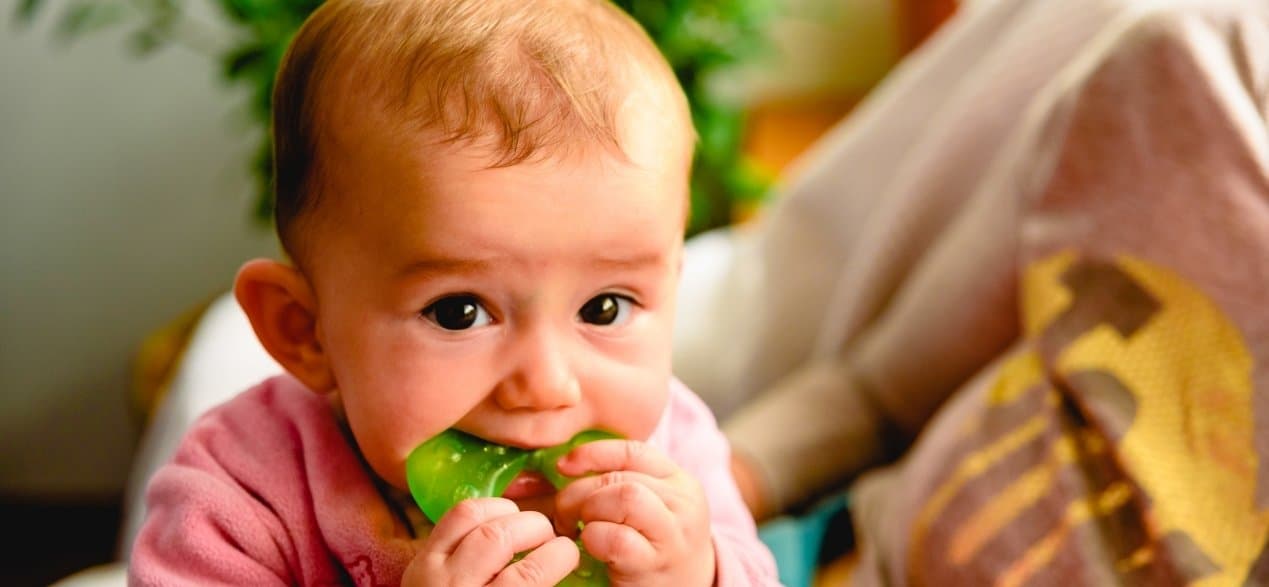
- Chewing on objects: Babies tend to chew on their fingers, toys, or even clothing to relieve pressure on their gums.
- Irritability and fussiness: Teething discomfort can lead to a fussy baby who may be harder to soothe.
- Swollen or tender gums: Your baby’s gums may appear swollen or red.
- Sleep disruptions: Due to pain and discomfort, your baby might have trouble falling or staying asleep.
- Changes in eating habits: The discomfort may cause a decrease in appetite, particularly with breastfeeding or bottle-feeding.
Soothing Your Baby’s Gums
As a parent, it’s essential to find ways to help your baby feel comfortable while teething. Here are some effective tips to soothe your baby’s gums:
1. Offer a Teething Ring
A chilled teething ring can provide immediate relief. Make sure it’s safe for your baby to chew on. The cold sensation numbs the gums, helping to reduce swelling and discomfort. Always check the teething ring for any signs of wear and tear to prevent small parts from breaking off.
2. Massage Their Gums
Gently massaging your baby’s gums with a clean finger can help relieve pain. The light pressure can alleviate some of the discomfort associated with teething. Ensure your hands are clean before doing this to prevent any infections.
3. Use a Cold Washcloth
You can dampen a clean washcloth, place it in the refrigerator for a few minutes, and then let your baby chew on it. The coolness of the cloth can help numb their gums and provide comfort during the teething process.
4. Offer Chilled Fruits or Vegetables
For babies who are already eating solid foods, chilled fruits or vegetables like chilled cucumber slices or cold apple slices can work wonders. Be sure to supervise your baby closely while they chew on these items to avoid choking hazards.
5. Teething Gels and Creams
There are over-the-counter teething gels and creams that can help numb your baby’s gums. However, it’s important to check with your pediatric dentist before using any product to ensure it’s safe and suitable for your baby.
6. Provide Distraction
Sometimes, providing a distraction can help take your baby’s mind off the discomfort. Singing a lullaby, playing with toys, or even giving your baby a gentle massage can help soothe them and distract them from the teething pain.
When to Visit the Pediatric Dentist?
Although teething is typically a temporary process, if your baby’s discomfort seems severe or lasts for an extended period, it’s a good idea to consult with a pediatric dentist. A dental professional can offer guidance on pain management and check for any issues that may need attention. It’s also beneficial to start taking your baby to a pediatric dentist around their first birthday or when the first tooth appears.
Teething Myths to Avoid
There are many myths surrounding teething, and it’s important to separate fact from fiction:
- Teething causes fever: While some babies may have a mild temperature increase, teething does not cause a fever. If your baby has a high fever, it’s likely due to another issue and you should consult a doctor.
- Teething causes diarrhea: Some parents may notice that their baby’s stools change during teething, but this is not a direct result of teething. If diarrhea is persistent, contact your pediatrician.
- Teething requires medication: While some parents turn to pain relievers like acetaminophen or ibuprofen, it’s always best to consult a healthcare professional before using any medications, as they may not be necessary or could have side effects.
Teething is a tough phase, but with the right strategies, you can make it a little easier for both you and your baby. Every baby’s teething experience is different, so patience and observation are key. Use the tips in this parent’s guide to teething to help ease your baby’s discomfort, and don’t hesitate to reach out to your pediatric dentist if you have any concerns. The teething phase will eventually pass, and your baby will soon have a beautiful set of teeth to smile with!