SNORING? AIRWAY DYSFUNCTION? HEALTHYSTART™ CAN HELP. DOWNLOAD THE GUIDE

Are Dental X-Rays Safe For My Child?



Are Dental X-Rays Safe For My Child?
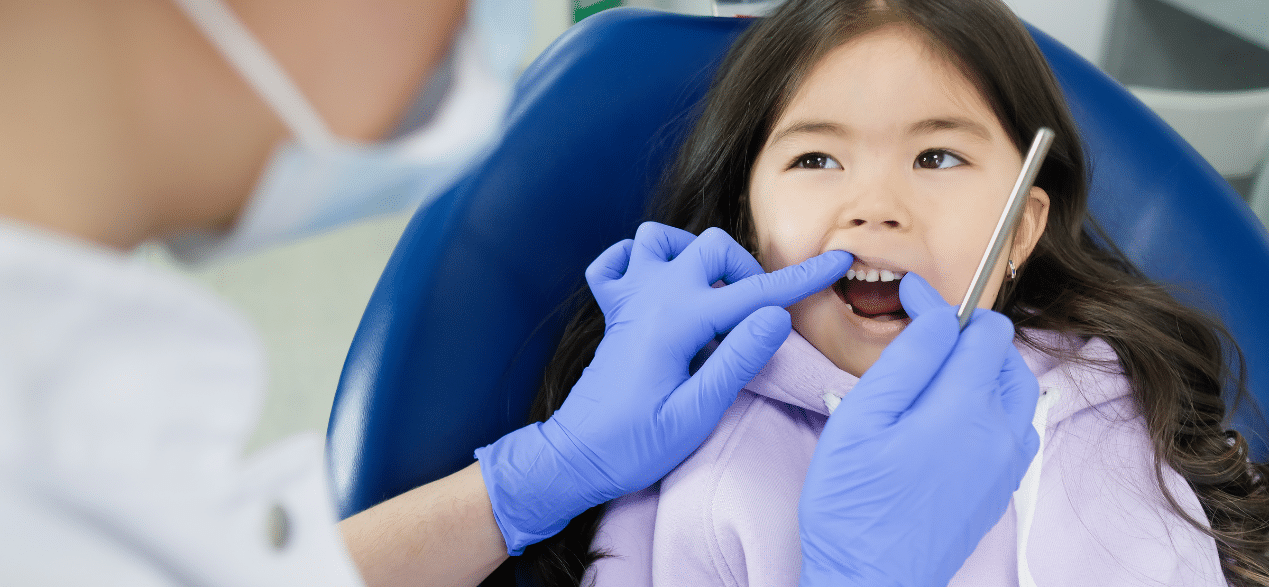
When your child visits the dentist, you might feel a little nervous when the word “X-ray” comes up. As a parent, it’s natural to worry about radiation exposure and long-term effects. But here’s some reassuring news—modern dental exams and X-rays are designed to be safe, fast, and child-friendly.
In this blog, we’ll break down why X-rays are used, how safe they are, and what every parent should know to feel confident about their child’s dental care.
Why Do Kids Need Dental X-Rays?
Dental X-rays help dentists see what’s happening below the surface of your child’s teeth and gums. While a regular checkup shows the outer condition of the teeth, an X-ray reveals hidden issues like:
- Cavities between teeth.
- Problems with baby teeth falling out or adult teeth coming in.
- Infections or abscesses.
- Bone development and jaw growth.
- Alignment problems.
Without X-rays, some of these problems could go unnoticed until they become painful or more serious.
Are They Really Safe?
Yes, dental X-rays are very safe for children. In fact, dental offices today use digital X-rays, which require significantly lower radiation doses than traditional film X-rays. The machines are also faster, meaning less exposure time and more accurate results.
A dentist will also use protective gear, like a lead apron and thyroid collar, to cover your child’s body and shield other organs from exposure.
Digital dental X-rays emit 90% less radiation than traditional X-rays. In fact, your child gets more radiation from spending a day outside in the sun than from a routine dental X-ray.
How Often Should Kids Get Them?
The number of X-rays your child needs depends on:
- Age.
- Oral health history.
- Risk for cavities.
- Growth and development needs.
Here’s a general guide:
- Every 6 months for children with a high risk of cavities.
- Every 12–24 months for children with no dental issues.
Dental exams and x-rays in Tomball go hand-in-hand to ensure your child’s mouth is developing properly. The dentist will always evaluate your child’s needs and only recommend X-rays when necessary.
What Type of X-Rays Are Used for Kids?
Dentists use different types of X-rays depending on what they need to see:
- Bitewing X-rays: Show cavities between the back teeth.
- Periapical X-rays: Capture the entire tooth, from crown to root.
- Panoramic X-rays: Give a full view of the entire mouth, jaw, and teeth in one image—helpful for orthodontic planning.
- Occlusal X-rays: Used for baby teeth or to check tooth development.
All of these are quick, painless, and tailored to fit small mouths comfortably.
How Can You Help Your Child Feel Comfortable?
Many kids get nervous at the dentist, especially if it’s their first X-ray. Here are a few ways to help them feel relaxed:
- Explain it simply: Tell them the X-ray is like a special camera that takes a picture of their teeth.
- Stay calm and positive: Your attitude helps them stay calm as well.
- Ask to stay nearby: Most dental offices allow you to sit close to your child during the process.
- Let them bring a comfort item: A favorite toy or blanket can offer reassurance.
The Big Picture: Early Detection Saves Smiles
Early dental care sets the stage for lifelong oral health. Routine dental exams and X-rays help detect small problems before they develop into larger issues. That means less pain, fewer procedures, and a happier, healthier smile for your child.
Skipping X-rays could mean missing early signs of cavities, infections, or jaw development issues. With the safety of modern technology, the benefits far outweigh the risks.
Trust the Process
Dental X-rays are a safe, important part of your child’s dental health journey. Thanks to advanced technology, minimal radiation, and protective measures, you can feel confident knowing your child is well cared for.
Next time, when our pediatric dentist recommends X-rays during a dental exam, remember—it’s not just about finding cavities. It’s about protecting your child’s smile for the future.