SNORING? AIRWAY DYSFUNCTION? HEALTHYSTART™ CAN HELP. DOWNLOAD THE GUIDE

Caring for Baby Teeth: Essential Tips for New Parents



Caring for Baby Teeth: Essential Tips for New Parents
As a new parent, welcoming your baby into the world brings a whirlwind of joy and new responsibilities. One essential aspect of caring for your little one involves understanding their dental health. Baby teeth play a crucial role in your child’s development, and knowing how to care for them sets the foundation for a lifetime of healthy smiles. Here are some essential tips for nurturing those tiny pearly whites.
Understanding the Importance of Baby Teeth
The significance of baby teeth extends beyond just chewing. These little teeth help your child speak clearly and assist in guiding the permanent teeth into their proper positions. From the moment they start appearing, usually around six months of age, it becomes vital to focus on their health. Neglecting them can lead to various issues later, such as misalignment or decay, affecting your child’s overall well-being.
Healthy baby teeth also contribute to self-esteem. A bright, beautiful smile can enhance your child’s confidence, making them feel good about themselves. Parents often overlook this aspect, but fostering a positive relationship with oral hygiene early on can have lasting effects. By understanding the role of baby teeth, parents can make informed decisions regarding their child’s dental care.
Establishing a Dental Care Routine
Starting a dental care routine early is essential for maintaining your child’s oral health. From the moment those first teeth break through the gums, begin cleaning them to prevent plaque buildup and cavities. Use a soft, damp cloth or a small toothbrush with soft bristles specifically designed for infants. This practice helps remove food particles and bacteria while also getting your child accustomed to having their mouth cleaned.
As your child grows and more teeth emerge, introduce fluoride toothpaste. For children under three, use a rice-sized amount, gradually increasing to a pea-sized amount for older toddlers. Encourage them to spit out the toothpaste, as swallowing too much fluoride can lead to dental fluorosis, a cosmetic condition affecting the appearance of teeth.
Promoting Healthy Eating Habits
What your child eats significantly impacts their dental health. As they begin to eat solid foods, prioritize nutritious options that promote strong teeth and gums. Incorporate fruits, vegetables, and whole grains into their diet. Foods rich in calcium, such as yogurt and cheese, support the development of healthy enamel, while crunchy fruits and vegetables can help clean teeth naturally.
Limit sugary snacks and beverages. Frequent consumption of sugary foods can lead to tooth decay. Instead, opt for healthier snacks like cut-up fruits or whole grain crackers. Water should be the primary beverage. If you choose to offer juice, make sure it is 100% fruit juice and limit it to small amounts.
Encouraging Good Oral Hygiene Habits
Teaching your child about oral hygiene is one of the most valuable gifts you can provide. Make brushing fun by incorporating songs or games during the routine. Allow them to pick their toothbrush and toothpaste flavor to create excitement around brushing. Children often emulate their parents, so let them see you brushing and flossing regularly.
Start brushing twice a day, especially after meals and before bedtime. This habit establishes a consistent routine, which is crucial for developing healthy oral hygiene habits. As they grow, gradually involve them in their own dental care. Allow them to brush their teeth after you, fostering independence and responsibility.
Regular Dental Checkups
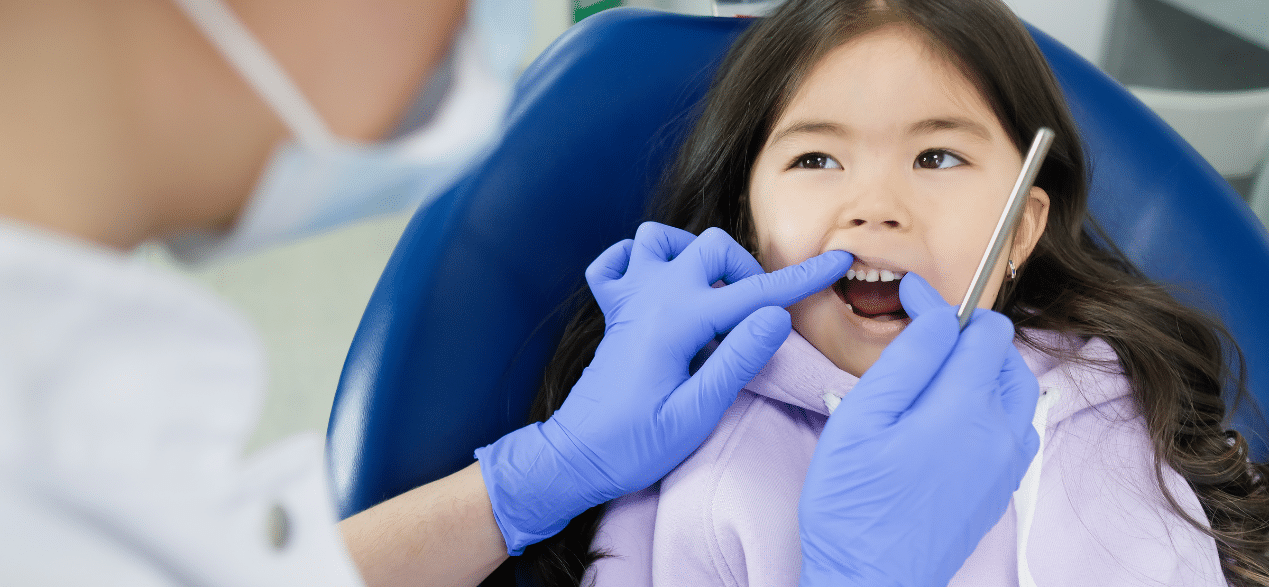
Scheduling regular dental visits is essential for monitoring your child’s oral health. Most pediatric dentists recommend an initial visit by their first birthday or within six months of their first tooth. Early visits help establish a positive relationship between your child and the dentist, alleviating any fear they may have regarding dental appointments.
During these visits, the dentist will examine your child’s mouth and teeth, offer advice on proper care, and identify any potential issues early. These checkups are vital for preventive care, ensuring your child’s dental development stays on track.
Handling Teething Troubles
Teething can be a challenging time for both babies and parents. As those little teeth push through the gums, your child may experience discomfort or irritability. To soothe your little one, consider offering teething rings made of soft rubber. Chilled (not frozen) items can provide relief to sore gums. Gentle gum massages can also be comforting.
While teething gels may be tempting, consult your pediatrician before using them, as some products may not be suitable for infants. If your child is particularly fussy, talk to your doctor about other remedies to ease their discomfort.
The Role of Parental Supervision
Even as children become more independent with their oral hygiene, parental supervision remains essential. Monitor their brushing technique to ensure they clean all surfaces of their teeth effectively. It’s common for young children to miss areas, especially the back teeth. Help them understand the importance of brushing for a full two minutes, using a timer or a fun app to keep them engaged.
Encouraging good habits early creates a solid foundation for lifelong oral health. Remind them that taking care of their teeth is part of taking care of themselves. This understanding fosters a sense of responsibility and encourages them to prioritize their dental health.
Recognizing Signs of Dental Issues
Being vigilant about your child’s oral health helps catch potential problems early. Look for signs of decay, such as dark spots or white patches on their teeth. If your child experiences pain, sensitivity, or difficulty eating, seek professional advice promptly. Early intervention can prevent more severe issues and help maintain healthy baby teeth.
Discuss any concerns with your pediatric dentist during regular checkups. They can provide tailored advice based on your child’s specific needs, ensuring a proactive approach to dental health.
Fun Dental Education Activities
Making dental health fun can help your child engage with their oral hygiene routine. Incorporate educational games and activities that promote understanding of the importance of caring for their teeth. Storybooks about dental visits or songs about brushing can create a positive association with dental care.
Consider making a chart where your child can track their brushing and flossing. Reward them for consistency with stickers or small treats. These interactive methods can help instill good habits while making dental hygiene enjoyable.
Instilling Lifelong Habits
Caring for baby teeth is more than just a task; it’s an opportunity to instill lifelong habits. As your child grows, continue to emphasize the importance of dental care. Talk about the role of nutrition and regular dental visits, reinforcing that these practices are essential for their overall health.
Encourage open discussions about any fears or anxieties related to dental care. Create an environment where your child feels comfortable expressing their thoughts, ensuring they understand that taking care of their teeth is an important part of their health journey.
The Journey Ahead
The path to maintaining healthy baby teeth is an ongoing process filled with learning opportunities. As parents, your proactive approach lays the groundwork for your child’s dental future. Remember that consistency is key, and celebrating small milestones along the way can make a significant difference.
With a focus on establishing good habits and fostering a positive relationship with dental care, you prepare your child for a lifetime of smiles. Regular visits to the pediatric dentist will further support their dental health journey, ensuring they remain on the path to strong, healthy teeth.
Taking care of baby teeth involves more than just keeping them clean; it’s about nurturing a mindset that values oral health. By prioritizing dental care from an early age, you empower your child to embrace their health, leading to a confident and radiant smile for years to come.