SNORING? AIRWAY DYSFUNCTION? HEALTHYSTART™ CAN HELP. DOWNLOAD THE GUIDE

When is Sedation Dentistry the Best Option for Your Child?


When is Sedation Dentistry the Best Option for Your Child?
Did you know that about 20% of children experience dental anxiety? This anxiety can stem from previous negative experiences or simply fear of the unknown. Sedation dentistry can help ease these fears, making dental visits less stressful for both children and parents. It involves using medication to help children relax during dental procedures. Understanding when sedation is necessary is crucial for ensuring your child’s comfort and cooperation.
This blog will explore the different types of sedation when it is recommended, its benefits, and how to prepare your child for a successful dental experience.
Understanding Sedation Dentistry
Sedation dentistry uses medication to help patients relax during dental procedures. It is especially beneficial for children who struggle with anxiety or fear. There are several types of sedation used in pediatric dentistry:
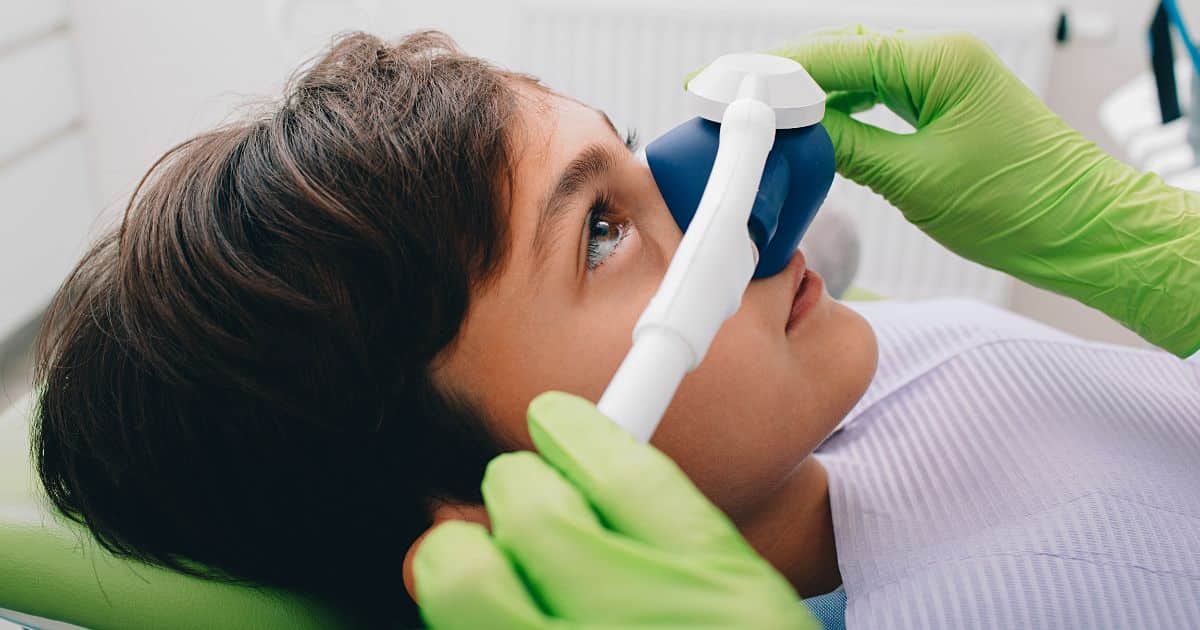
- Nitrous Oxide (Laughing Gas): This mild sedative helps children feel calm and comfortable. It is safe and allows them to remain conscious and responsive. It quickly wears off, so children can resume normal activities soon after.
- Oral Sedation: Involves taking medication in liquid or pill form before the appointment. This type of sedation allows for deeper relaxation and is suitable for children with moderate anxiety.
- IV Sedation: This method involves administering medication directly into the bloodstream. It is ideal for more complex procedures that may take longer and require deeper sedation.
- General Anesthesia: Used for extensive procedures or for children with specific needs. It puts the child in a deep sleep, ensuring they are completely unaware of the procedure.
When is Sedation Dentistry Recommended?
Dental Anxiety: Many children feel anxious about dental visits. Signs of anxiety may include crying, clinginess, or refusal to sit in the dental chair. This anxiety can affect their willingness to attend regular check-ups and necessary treatments.
Complex Procedures: Some dental treatments, like multiple fillings or extractions, can overwhelm children. Sedation ensures they remain calm and comfortable throughout longer procedures, making the experience more manageable for everyone involved.
Special Needs: Children with developmental or physical disabilities may require sedation to help them cope with dental visits. Sedation can provide the necessary support to ensure their safety and comfort during treatment.
Uncooperative Behavior: Some children may not sit still or follow instructions during dental procedures. Sedation helps them remain calm and still, allowing the dentist to work efficiently and effectively.
In summary, sedation dentistry is a valuable tool for helping children overcome dental anxiety and ensure successful treatments. Recognizing when sedation is necessary can lead to a more positive dental experience for your child.
Benefits of Sedation Dentistry for Children
Sedation dentistry offers numerous benefits for children undergoing dental treatments. Here are some key advantages:
Reduced Anxiety: Sedation helps alleviate fear associated with dental visits. Children feel more relaxed and secure during procedures, leading to a more positive experience.
Enhanced Comfort: Many children fear pain during dental work. Sedation minimizes discomfort, making it easier for them to tolerate necessary treatments without distress.
Increased Cooperation: Children are more likely to cooperate under sedation. This cooperation allows dentists to complete procedures more efficiently and with fewer interruptions.
Efficiency: Sedation can speed up the overall process. When children are calm and relaxed, dentists can focus on their work and complete procedures more quickly. This efficiency benefits both the child and the dental team.
Sedation dentistry can transform a stressful dental visit into a calm and manageable experience. By reducing anxiety and enhancing comfort, it sets the stage for healthier dental habits in the future.
Preparing Your Child for Sedation Dentistry
Preparing your child for sedation dentistry can ease their anxiety and ensure a smoother experience. Here are some steps to consider:
Pre-Visit Consultation: Schedule a consultation with the dentist. During this visit, discuss your child’s medical history and any concerns you may have. The dentist will explain the sedation process and what to expect.
Discussing Sedation: Talk to your child about sedation in simple terms. Explain that it helps them relax and feel comfortable during the appointment. Reassure them that they will be safe and well cared for.
Day of the Appointment: On the day of the procedure, follow any fasting guidelines provided by the dentist. This usually involves not eating or drinking for a specified period before the appointment. Dress your child in comfortable clothing and arrive early to minimize stress.
Preparing your child in these ways can significantly improve their experience. Open communication and understanding can help them feel more at ease during their visit.
In conclusion, sedation dentistry can be a beneficial option for children experiencing dental anxiety, undergoing complex procedures, or requiring extra support. It provides numerous advantages, including reduced anxiety, enhanced comfort, and increased cooperation.
Before proceeding, parents should discuss concerns and individual needs with their dentist. Understanding when sedation is appropriate ensures a positive dental experience for your child. By preparing your child for their appointment, you can help them face the dentist with confidence. Contact our dentists now.