SNORING? AIRWAY DYSFUNCTION? HEALTHYSTART™ CAN HELP. DOWNLOAD THE GUIDE

How Pediatric Dentists Help With Dental Anxiety In Children



How Pediatric Dentists Help With Dental Anxiety In Children
Pediatric dentists play a major role in helping children overcome dental anxiety and establish positive oral health habits from a young age. Understanding the root causes and impacts of dental anxiety in children is essential for effectively addressing this common issue. By creating a welcoming and child-friendly environment, utilizing specialized techniques and strategies, and fostering trust and rapport with young patients, pediatric dentist Tomball, can make a significant difference in alleviating anxiety and promoting a positive dental experience. In this article, we explore how pediatric dentists work to support children with dental anxiety, highlighting the importance of their expertise and collaborative efforts with parents to ensure optimal oral health outcomes for young patients.
Understanding Dental Anxiety in Children
Causes of Dental Anxiety in Children
When it comes to kids and dentists, it’s like a match made in anxiety heaven. Fear of the unknown, loud noises, and those intimidating tools can definitely send chills down a little one’s spine.
Impact of Dental Anxiety on Oral Health
Picture this: a child, terrified of the dentist, avoiding check-ups like they’re the broccoli on their plate. Dental anxiety can lead to missed appointments, poor oral hygiene, and potential dental issues down the line. No fun for anyone.
Importance of Pediatric Dentists in Addressing Dental Anxiety
Specialized Training in Pediatric Dentistry
Pediatric dentists aren’t just regular dentists wearing superhero capes (though that would be cool). They undergo special training to handle tiny teeth and big fears with care and expertise.
Role of Pediatric Dentists in Providing Comfort and Support
Pediatric dentist Tomball is like the MVP of the dental world for kids. They know all the tricks to help children feel at ease, from friendly smiles to gentle explanations. It’s like having a dental BFF.
Creating a Child-Friendly Environment in Pediatric Dentistry
Designing a Welcoming Clinic Atmosphere
Forget sterile and scary dental offices of the past. Pediatric dentists create spaces that feel like a dental wonderland, where kids can explore, relax, and maybe even forget they’re at the dentist.
Use of Playful and Colorful Decor
Who says a dental office can’t be fun? From cheerful wall murals to toys and games, pediatric dentists deck out their offices in a way that makes kids excited to come back (well, as excited as one can be about a dental visit).
Techniques and Strategies for Managing Dental Anxiety in Children
Behavioral Management Techniques
Pediatric dentists have a treasure trove of tricks up their sleeves to help anxious kids. From distraction techniques to praise and rewards, they know how to turn a potentially nerve-wracking experience into a walk in the dental park.
Sedation Options for Anxious Children
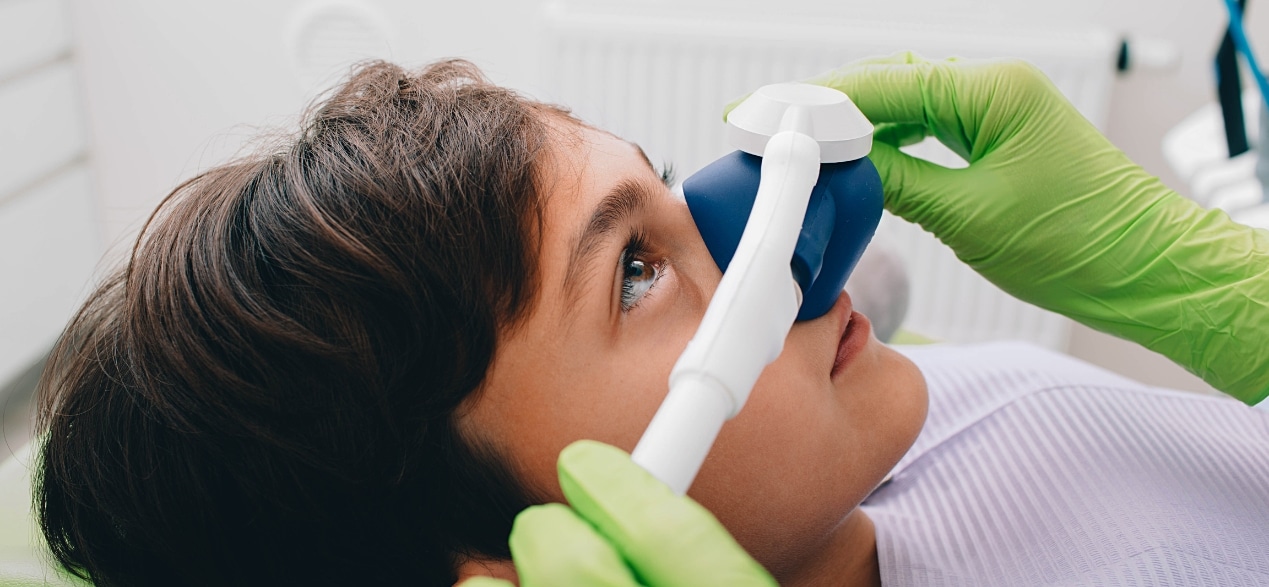
For some kids, the anxiety mountain is a bit too steep to climb without a little help. Pediatric dentist Tomball can offer sedation options like laughing gas or oral sedatives to help children relax and get through their appointments with flying colors (of the non-tooth variety).
Building Trust and Rapport with Pediatric Patients
Establishing Open Communication with Children
Pediatric dentists excel at creating a comfortable environment where kids feel heard and understood. By communicating in a friendly and age-appropriate manner, they build trust and ease anxiety.
Engaging Children in the Treatment Process
From explaining procedures using simple language to involving kids in decision-making, pediatric dentist Tomball empowers children to be active participants in their dental care. This engagement fosters a sense of control and reduces fear.
Collaborating with Parents to Address Dental Anxiety
Educating Parents on Supporting Anxious Children
Pediatric dentists work closely with parents to provide guidance on techniques and strategies to help children manage their anxiety before, during, and after dental visits. By educating parents, they create a supportive network for the child.
Involving Parents in Preparing Children for Dental Visits
By involving parents in preparing children for dental appointments, pediatric dentists ensure a unified approach to easing anxiety. From role-playing at home to discussing expectations, parents play a crucial role in creating a positive dental experience for their children.
Utilizing Behavioral Guidance Techniques in Pediatric Dentistry
Tell-Show-Do Approach for Anxiety Management
Using the tell-show-do approach, pediatric dentist Tomball explains procedures, demonstrates tools, and then performs the task. This step-by-step method helps familiarize children with the process, reducing anxiety and promoting cooperation.
Positive Reinforcement and Distraction Techniques
Pediatric dentists employ positive reinforcement, such as praise and rewards, to encourage children during dental procedures. Additionally, distraction techniques like using fun distractions or interactive tools help divert attention and alleviate anxiety.
Empowering Children to Overcome Dental Anxiety
Encouraging Self-Reliance and Coping Skills
Pediatric dentists empower children by teaching self-reliance and coping skills to manage anxiety. By encouraging deep breathing, visualization, or other relaxation techniques, children learn how to regulate their emotions and feel more in control.
Supporting Children in Developing a Positive Attitude Towards Dental Care
Through positive reinforcement, gentle encouragement, and a nurturing approach, pediatric dentists help children develop a positive attitude toward dental care. By fostering a safe and friendly environment, they create a foundation for lifelong oral health habits.
In the end, the dedication and expertise of pediatric dentists in addressing dental anxiety in children play a vital role in shaping positive attitudes toward oral health care. By employing child-friendly approaches, and effective techniques, and building strong relationships with young patients and their families, pediatric dentist Tomball strives to create a supportive and comfortable environment for dental visits. Through their efforts, children can learn to manage and overcome dental anxiety, paving the way for a lifetime of good oral health practices.
FAQ
Q. How common is dental anxiety in children?
A. Dental anxiety is surprisingly common, affecting up to 20% of children. Many children experience fear and nervousness about dental visits, which can stem from a fear of pain, unfamiliar environments, or past negative experiences. Addressing this anxiety is important to ensure that children receive the dental care they need without undue stress.
Q. What specialized techniques do pediatric dentists use to help children with dental anxiety?
A. Pediatric dentists use a toolbox of techniques:
- Fun & friendly environment: Colorful offices, games, and prizes can ease apprehension.
- Positive communication: Gentle explanations, using age-appropriate language, build trust.
- Show & tell: Demonstrating tools and procedures beforehand reduces fear of the unknown.
- Positive reinforcement: Praising bravery encourages cooperation during appointments.
Q. How can parents support their child in overcoming dental anxiety?
- Positive talk: Avoid using dentists as a threat and focus on the importance of healthy teeth.
- Role-playing: Practice what to expect at the dentist’s office playfully.
- Lead by example: Show your positive attitude towards dental care.
Q. Are there sedation options available for anxious children during dental procedures?
A. In some cases, yes. Pediatric dentists may offer nitrous oxide (“laughing gas”) or oral sedation for very anxious children during procedures. These methods can help in relaxing your child and make his/her dental experience more comfortable, and less stressful.